Our People

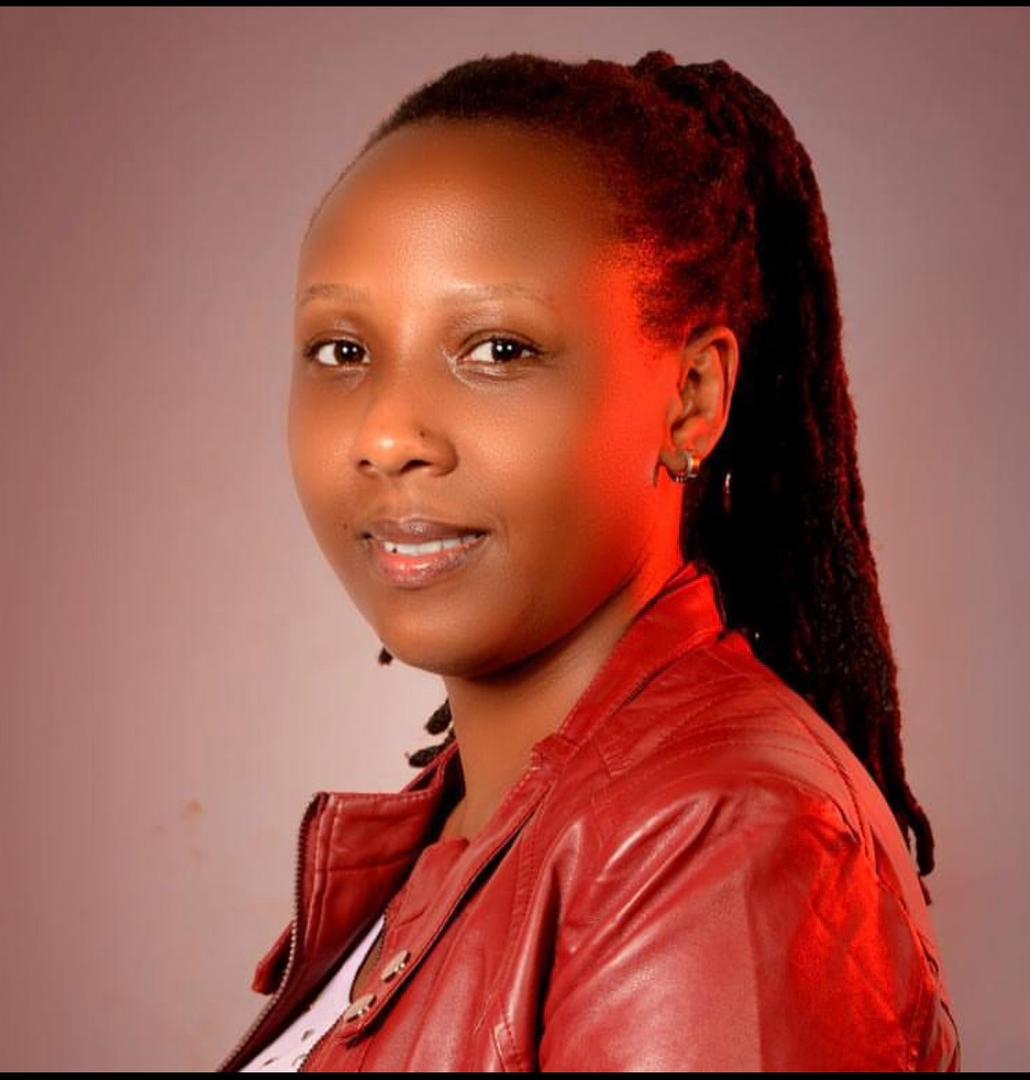
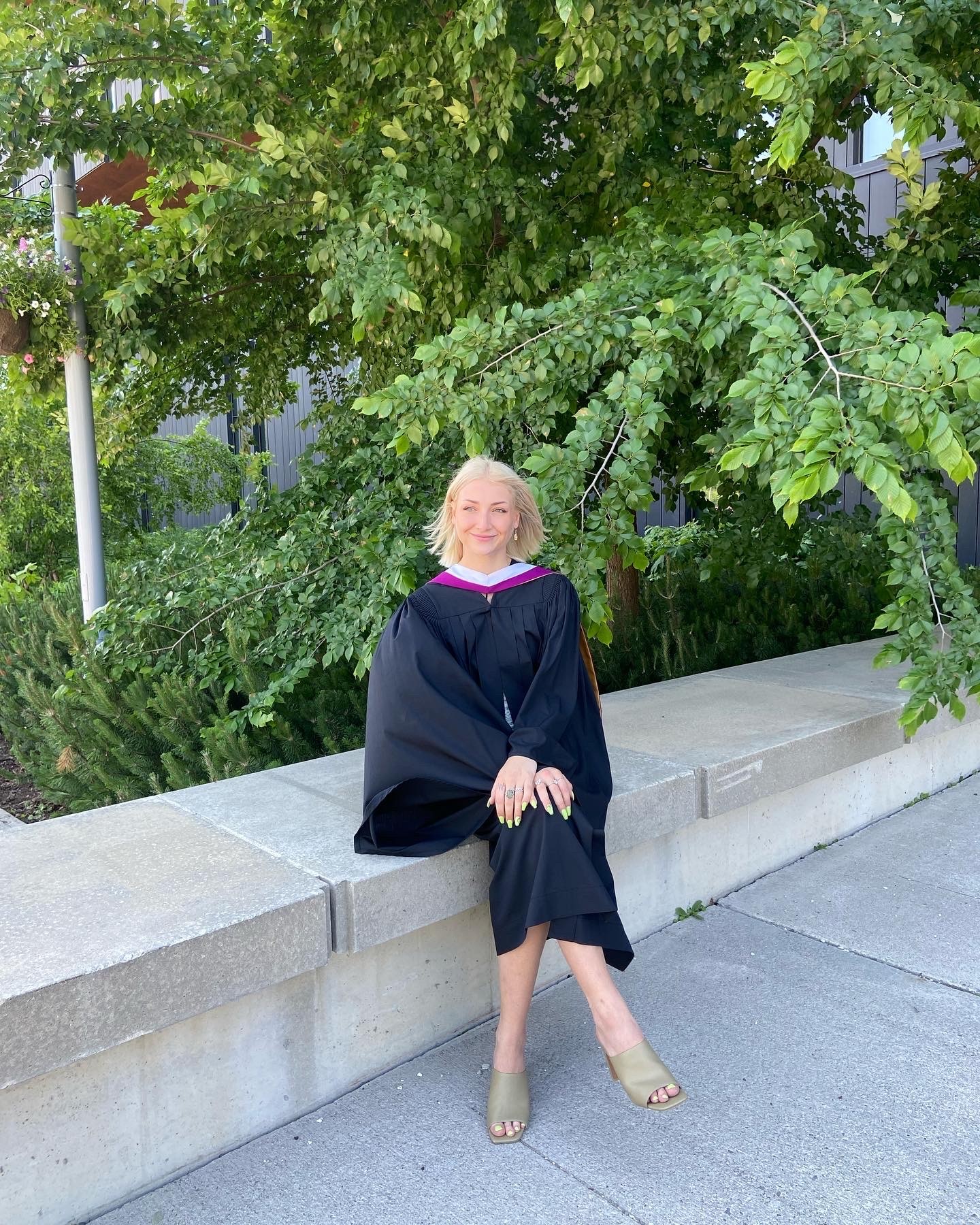
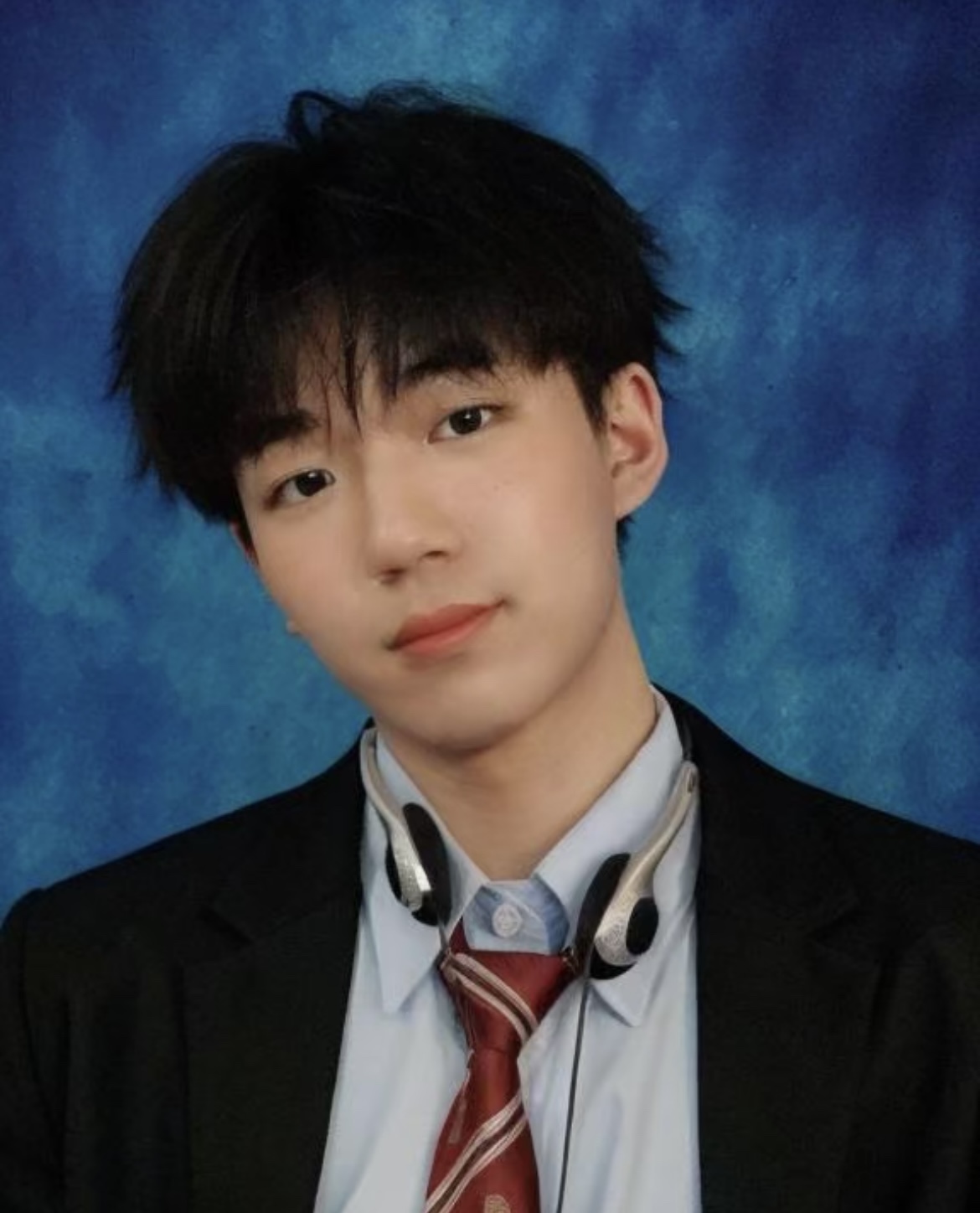
Our project team is a diverse group of dedicated professionals and passionate researchers committed to deepening our understanding of Earth system models and the intricate connections between climate and the carbon cycle. Each project member brings unique expertise and perspectives to our collaborative efforts.
Project Team

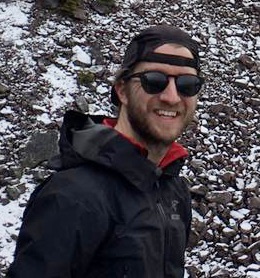
Dr. Andrew MacDougall

Dr. Andrew MacDougall, an Associate Professor in Climate & Environment at St. Francis Xavier University and is the project lead. He has expertise in developing the land surface components of Earth system models, having overseen the development of permafrost carbon and nitrogen and phosphorus cycles for an intermediate complexity Earth system model. Additionally, Dr. MacDougall has made major contributions to the theoretical underpinnings of the remaining carbon budget, and coordinated the Zero Emission Commitment Model Intercomparison Project, which involved collaboration with 18 climate modeling groups from 12 different countries.

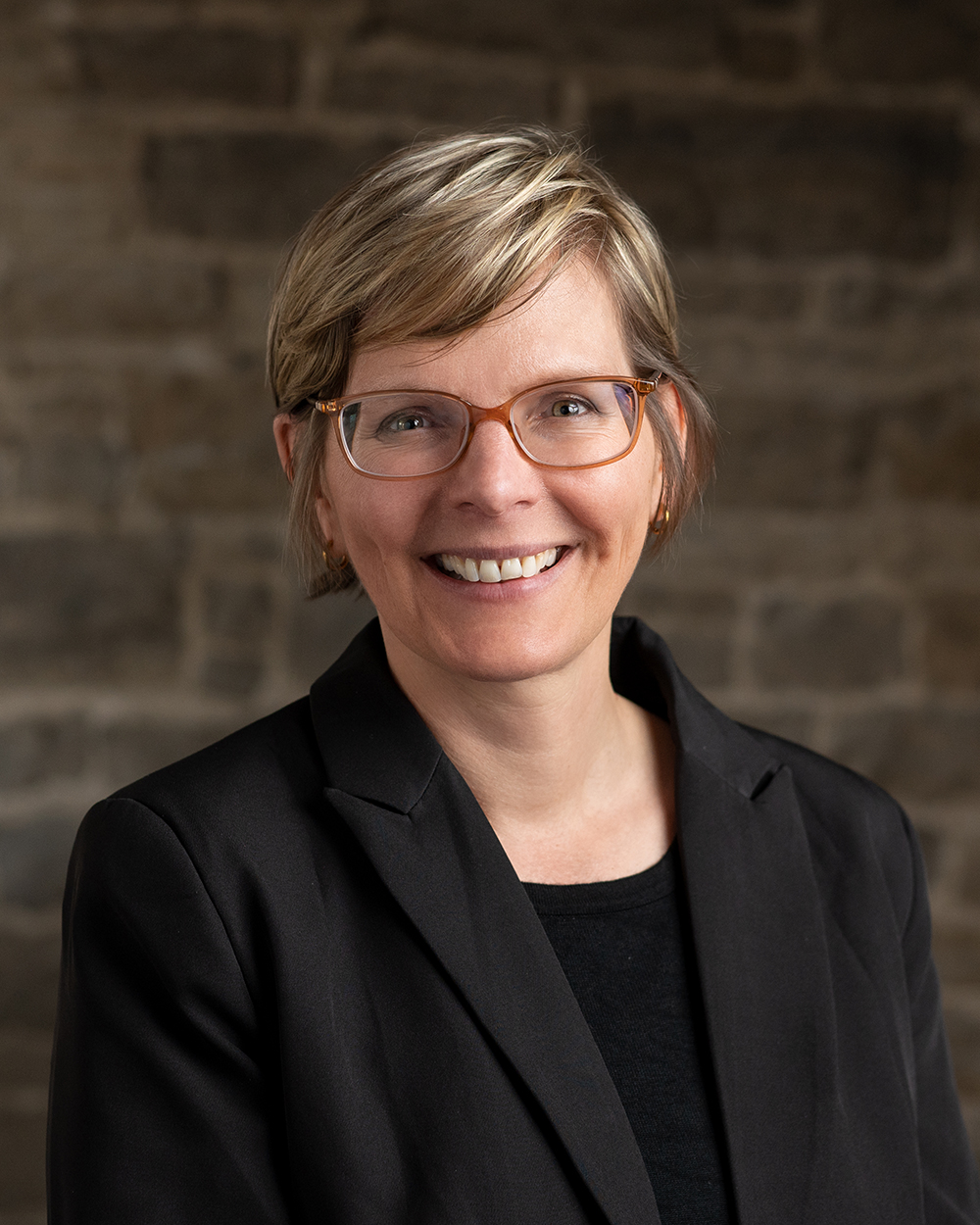
Dr. Kirsten Zickfeld

Dr. Kirsten Zickfeld, a Distinguished Professor of Climate Science at Simon Fraser University, is an internationally renowned expert in the long-term impacts of climate change and developing carbon budgets that align with climate targets. She brings extensive experience in Earth system modeling and specializes in measuring climate-carbon cycle feedbacks and the effects of Carbon Dioxide Removal on the carbon cycle and climate. Dr. Zickfeld has contributed to major reports such as the Intergovernmental Panel on Climate Change (IPCC) Sixth Assessment Report and the IPCC Special Report on the Global Warming of 1.5 degrees. She is also a member of the Expert Panel on Understanding and Leveraging Canadian Carbon Sinks and serves on the Scientific Steering Committee of the Global Carbon Project. Dr. Zickfeld is co-lead.

Alex MacIsaac

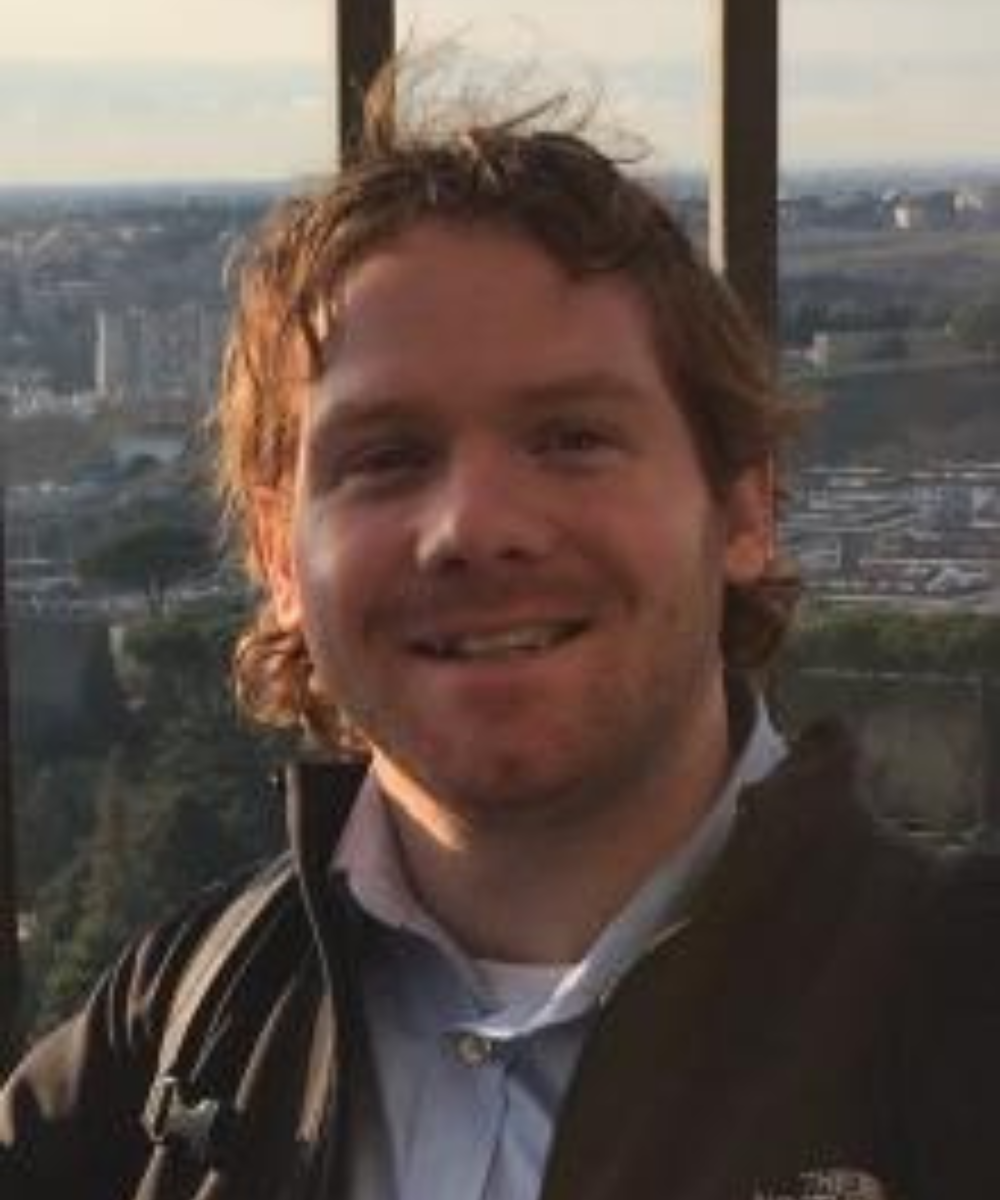
Alex is a Ph.D. candidate under Dr. Kirsten Zickfeld at Simon Fraser University where his dissertation is focused on the role and effectiveness of Nature-based Climate Solutions in meeting the needs of climate change mitigation. His research takes an Earth systems perspective, analysing the feedbacks and effects of NbCSs on the carbon cycle and global temperature. With a Master's degree in Geography and a Bachelor's degree in Environment Science, both from Concordia University, as well as a BA in English from St. Francis Xavier University, Alex brings a diverse educational background to the team. His role as project Technical Coordinator involves coordinating model development tasks, connecting various model development threads of the UVic-ESCM into a single, accessible version, and guiding/instructing postdocs and students on the use the of the UVic-ESCM in their research.  

Alyssa Blais

Alyssa Blais, is the project coordinator and is currently pursuing a Masters of Adult Education from StFX. With a background in administration, she holds a Graduate Degree from Concordia University, which has provided her with valuable skills in coordination and organization.

Dr. Damon Matthews

Dr. Damon Matthews is a Professor and Research Chair in Climate Science and Sustainability at Concordia University. With over 20 years of experience, his research focuses on coupled Earth-system models. He has published on various topics, including the impact of land-use and land-cover change on climate, quantifying climate-carbon cycle feedback, evaluating carbon sinks in future scenarios, and studying the role of changing fire disturbances as a potential Earth-system feedback. He also serves as the Science Co-Director of Concordia's Sustainability in the Digital Age think tank, co-leading a team of interdisciplinary team of researchers and policy advocates.

Dr. Andrew J. Weaver

Dr. Andrew J. Weaver is a Professor at the University of Victoria's School of Earth and Ocean Sciences. He previously held the position of Canada Research Chair in Climate Modelling and Analysis. In 2013, he was elected as an MLA for the BC Green Party in the Oak Bay-Gordon Head riding, temporarily stepping away from his university role. In 2015, he took on the leadership of the BC Green Party, leading them to a significant outcome in the 2017 provincial election where three MLAs were elected and held the balance of power in an NDP minority government. After serving two terms as an MLA, he returned to his position at UVic. He has an extensive publication record with over 200 papers in various fields such as climate, meteorology, oceanography, Earth science, policy, education, and anthropology. Dr. Weaver has contributed to multiple assessments by the United Nations Intergovernmental Panel on Climate Change and served as the Chief Editor of the Journal of Climate from 2005 to 2009. His collaboration with the BC NDP on the development of British Columbia's CleanBC economic plan earned him and the Minister of Environment, George Heyman, the 2020 Clean 16 and Clean 50 awards for their contributions to sustainable development and clean capitalism in Canada.

Michael Eby

Michael Eby is an Adjunct Associate Professor at the University of Victoria's School of Earth and Ocean Sciences. For 30 years, he has worked on developing Earth System Models with intermediate complexity. His research focuses on modeling past and future climates, particularly the long-term impact of the carbon cycle and human-induced climate change. He has published over 90 peer-reviewed papers in climate science and received the Canadian Oceanographic Society Andrew Thompson Prize in 2011.

Postdocs and Students

Dr. Claude-Michel Nzotungicimpaye

Dr. Claude-Michel Nzotungicimpaye is focused on improving the representation of processes regulating soil carbon in the University of Victoria Earth System Climate Model (UVic ESCM), an Earth system model of intermediate complexity. A major goal of this work is to better predict soil carbon sequestration responses to changes in both land use and climate.

Dr. Marzieh Mortezapour

Dr. Marzieh Mortezapour is going to use the CanESM model to investigate the effect of reforestation on the hydrological cycle as well as determine how plantation influences precipitation, evapotranspiration, soil water and run-off.

Dr. Rebecca Evans

Dr. Rebecca Evans is working on agriculture as a nature-based solution to climate change using the University of Victoria Earth System Climate Model. This work simulates carbon sinks in agricultural areas to represent realistically possible carbon capture through all agricultural methods, and specifically biochar.

Jacqueline Byukusenge

Jacqueline Byukusenge is enhancing the UVic Earth System Climate Model to better represent agricultural crops. This involves incorporating specific plant types like wheat, rice, maize, and soybeans and developing a new harvesting module. Her work aims to assess the efficacy of practices like no-tillage and crop residue management and the potential of perennial crops as a climate solution.

Katherine Martin

Katherine Martin is using the UVic Earth System Climate Model to analyze the potential of limestone for ocean alkalinity enhancement as a possible solution for excessive atmospheric carbon dioxide emissions.

Olivier Chalifour

Olivier Chalifour is focused on assessing the effectiveness of nature-based solutions (NBS) and their vulnerability to changing wildfire regimes under future climate scenarios. Using the University of Victoria Earth System Climate Model (UVic ESCM), Olivier aims to improve the representation of wildfires by incorporating artificial intelligence to enhance physics-based processes in the model.

Pierre-Etienne Banville

Pierre-Etienne Banville, is a Master's student at SFU. His current work focuses on quantifying the local and non-local biogeophysical effects of deforestation and afforestation on surface temperature (Tsurf) and air surface temperature (T2m) using the UVicESCM. 

Xiaolong Guo

Xiaolong Guo is a Master's student at StFX. His current work focuses on peatland management as a Nature Based Solution to Climate Change.